CASE STUDY

Armada Music, London

From Basement Offices to Creative Hub
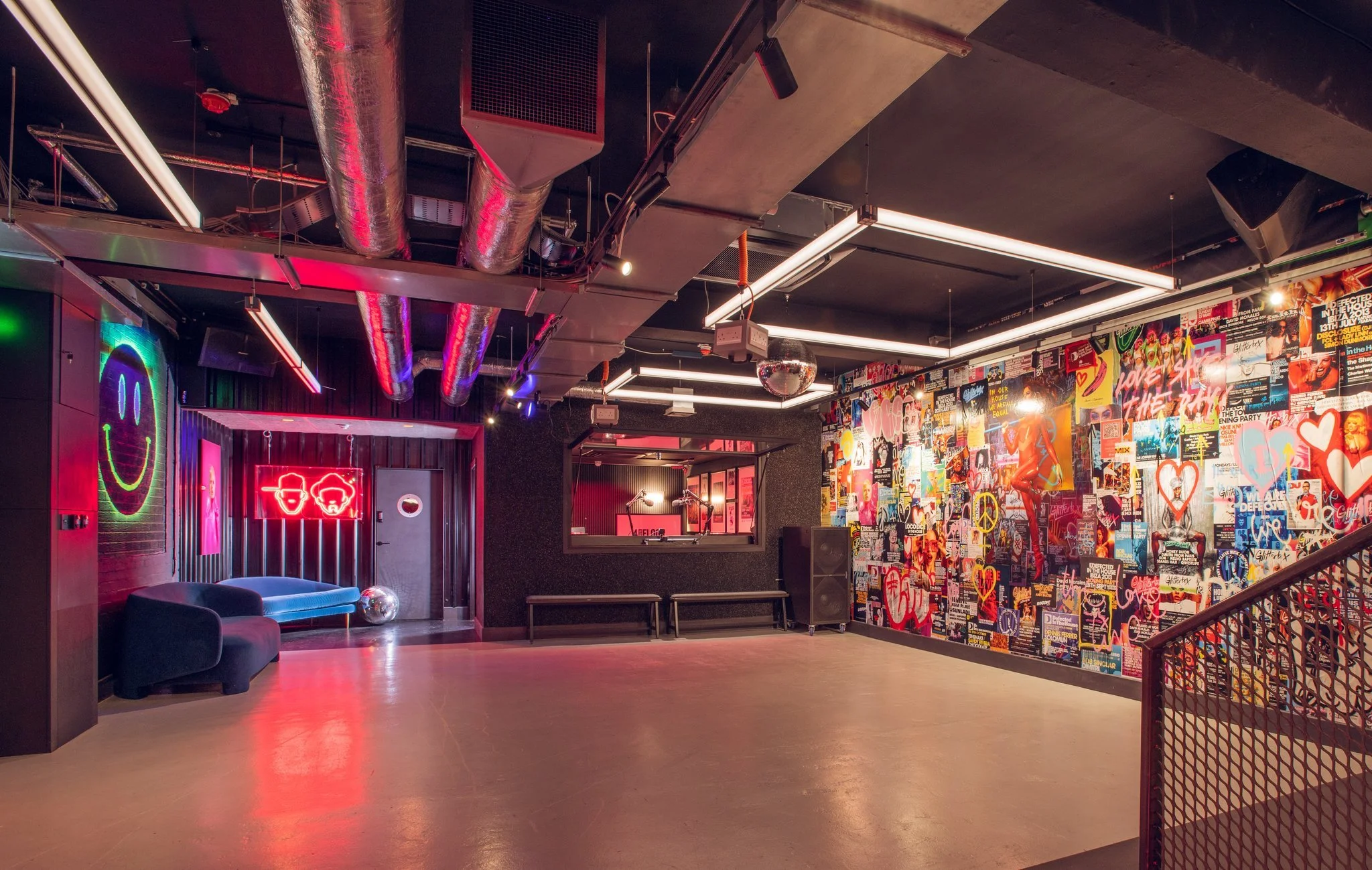
Client: Armada Music
Location: Old Street, Shoreditch, London
Completion: September 2025
Spaces delivered: Two studios with breakout space
Services: Studio design, build and installation
Project team: Recording Rooms; GPAD (architects); QOB (main contractor); Jackson Coles (project management)

Project overview

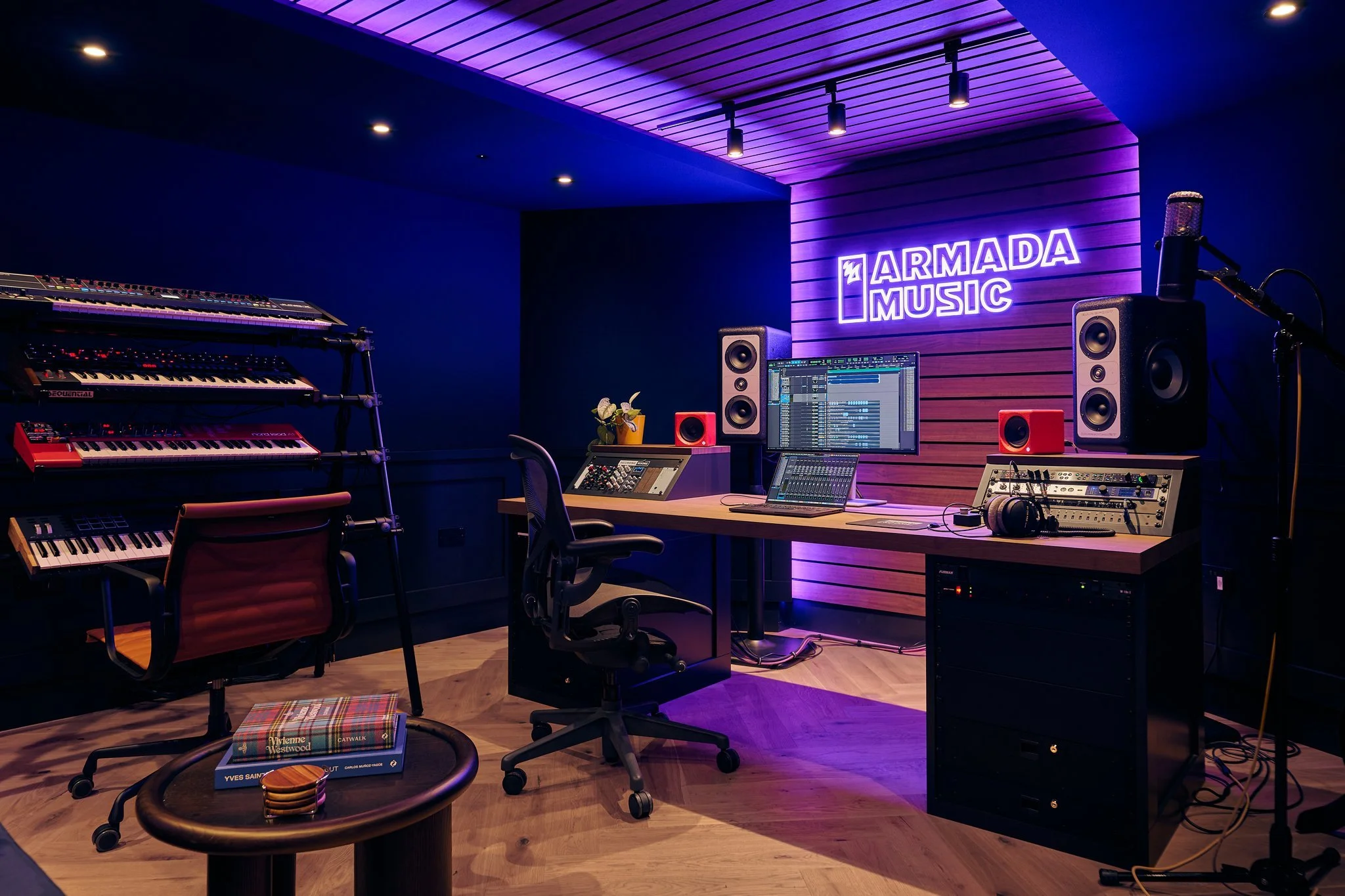
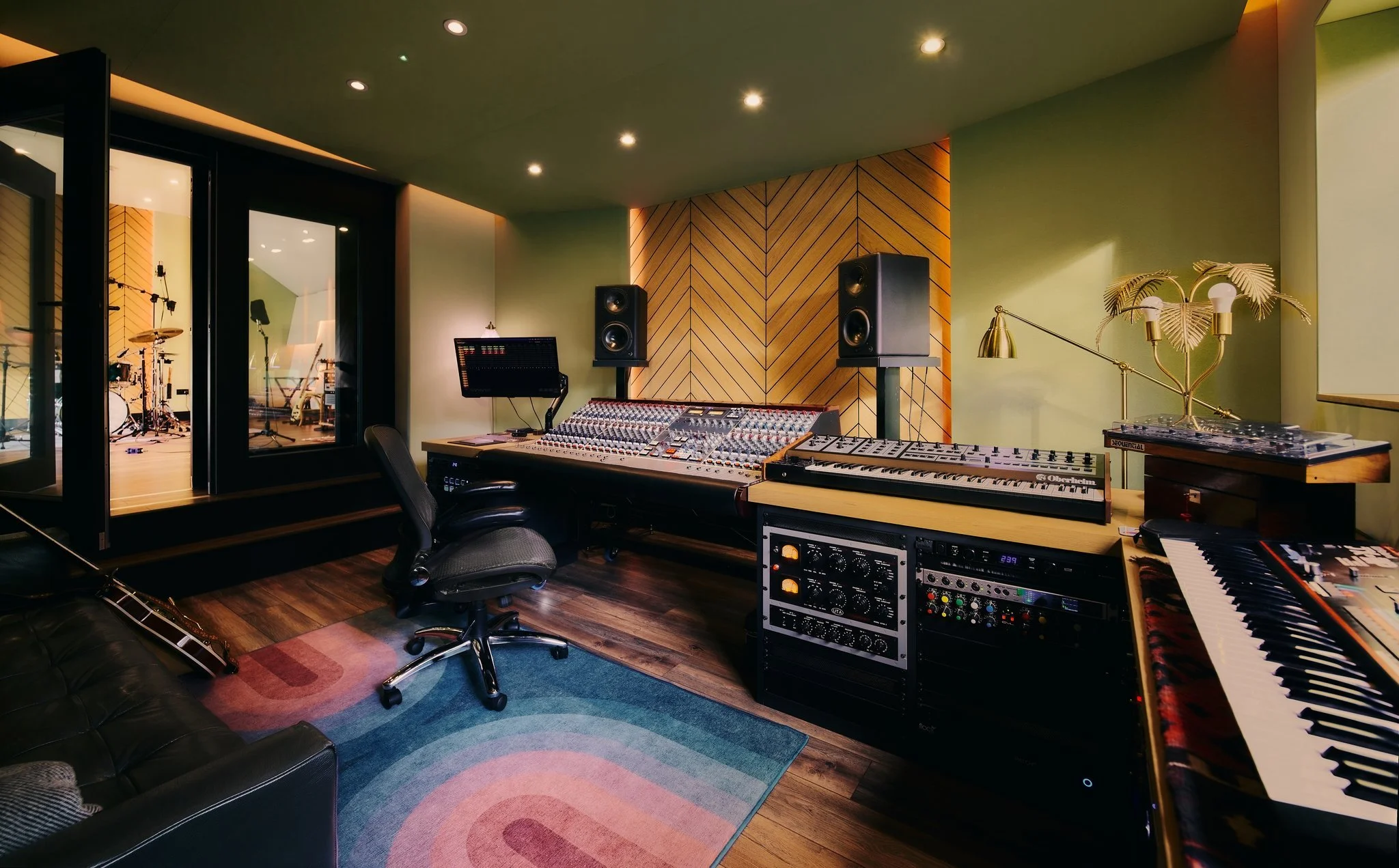
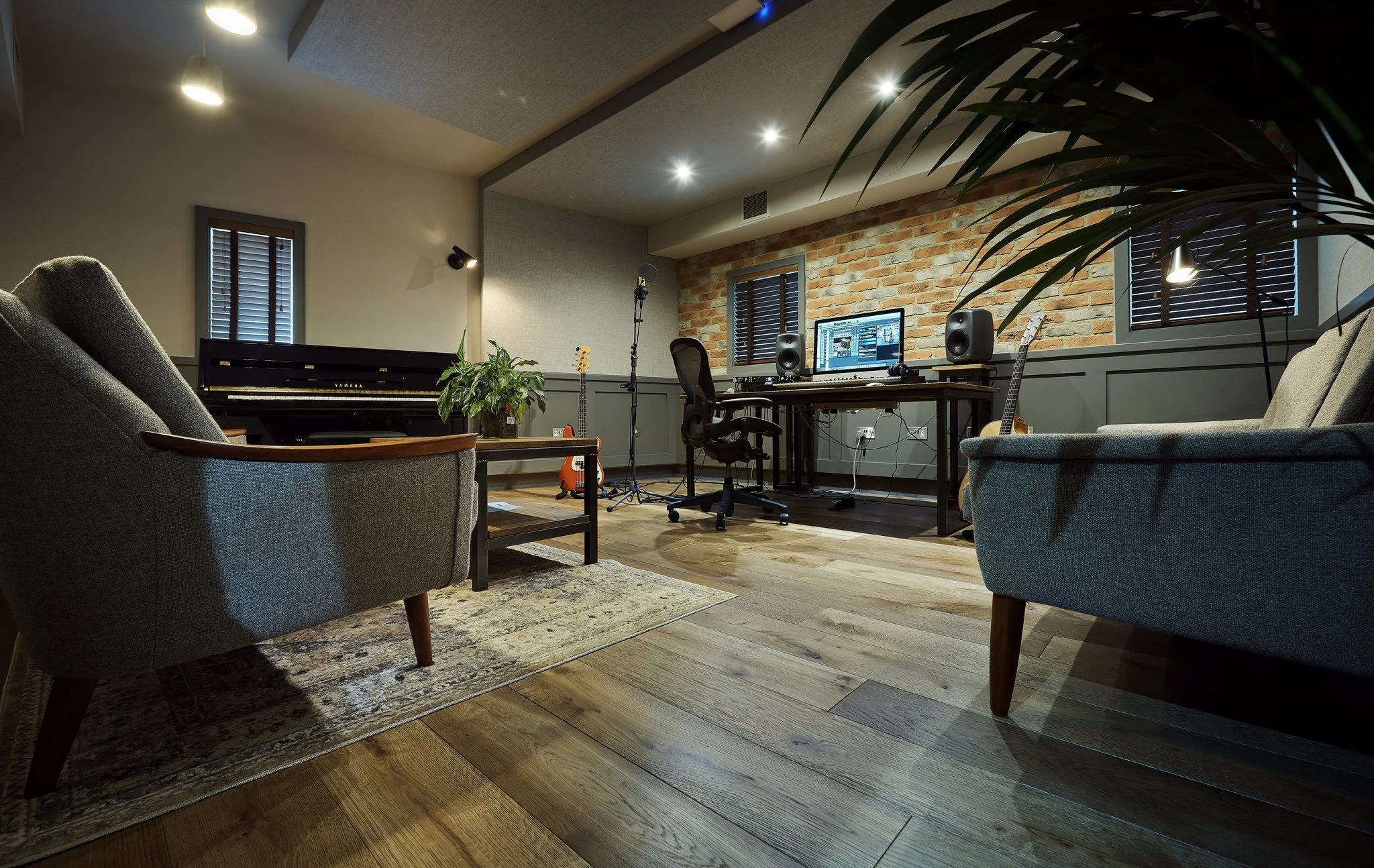
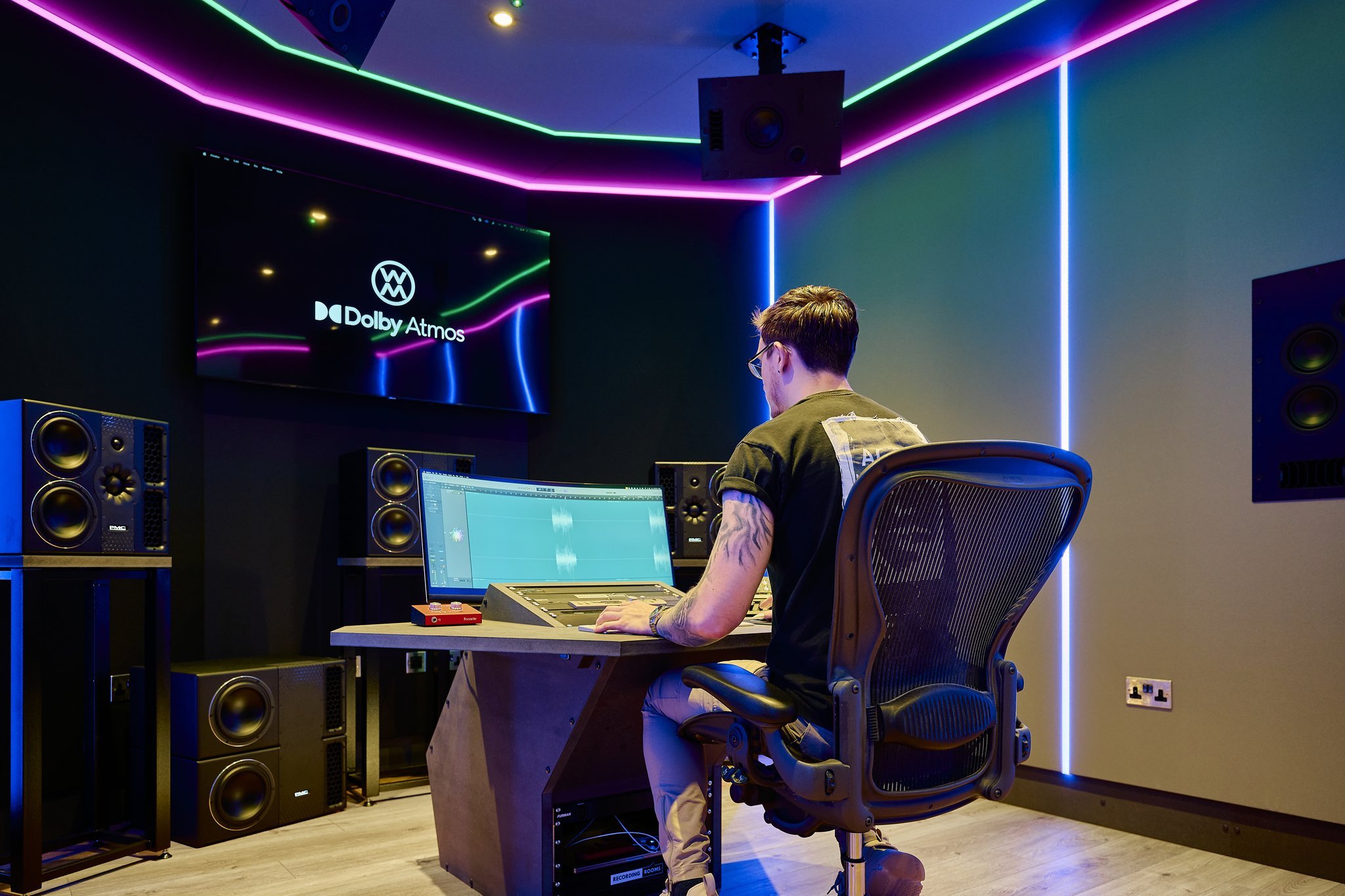
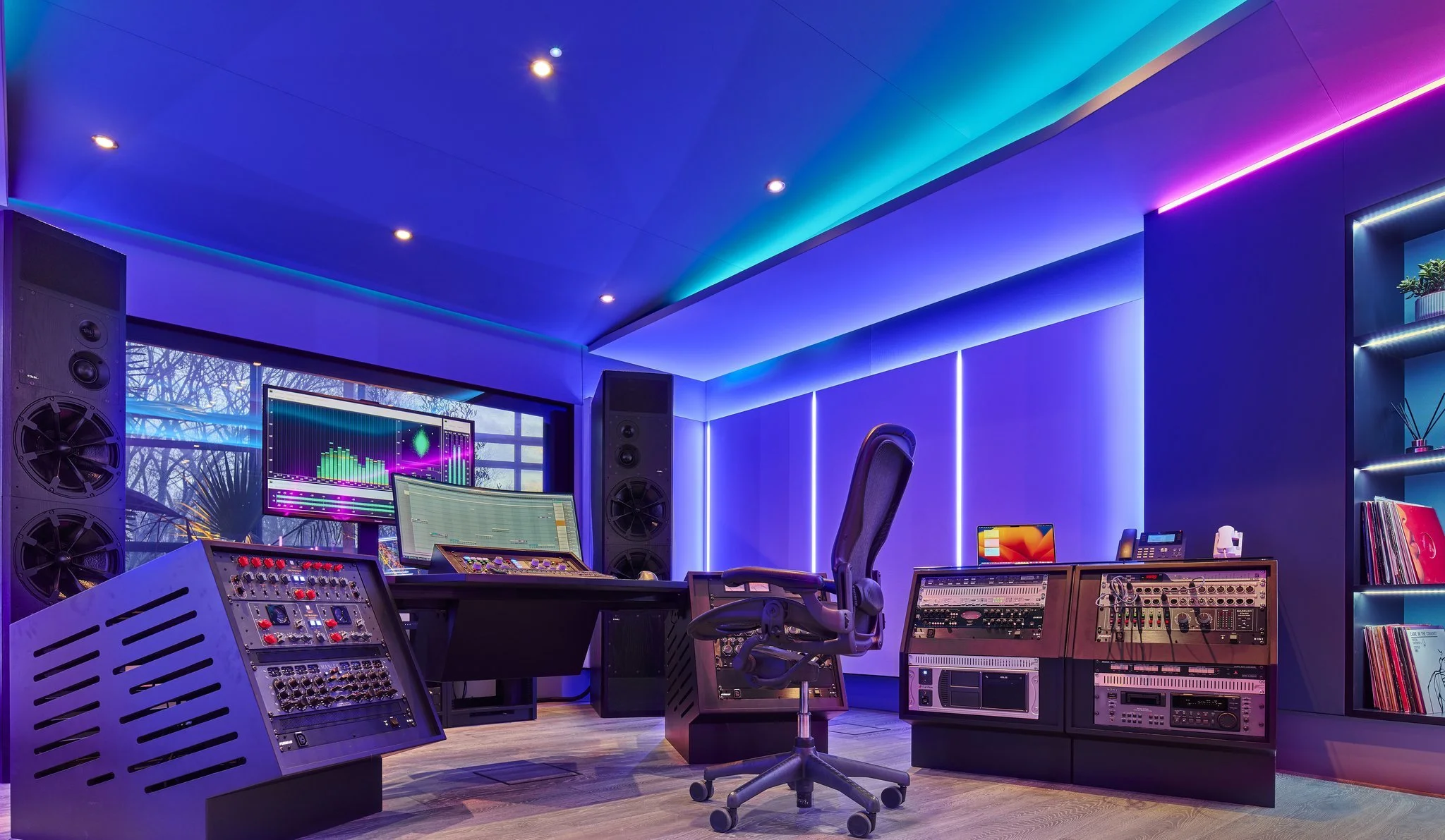
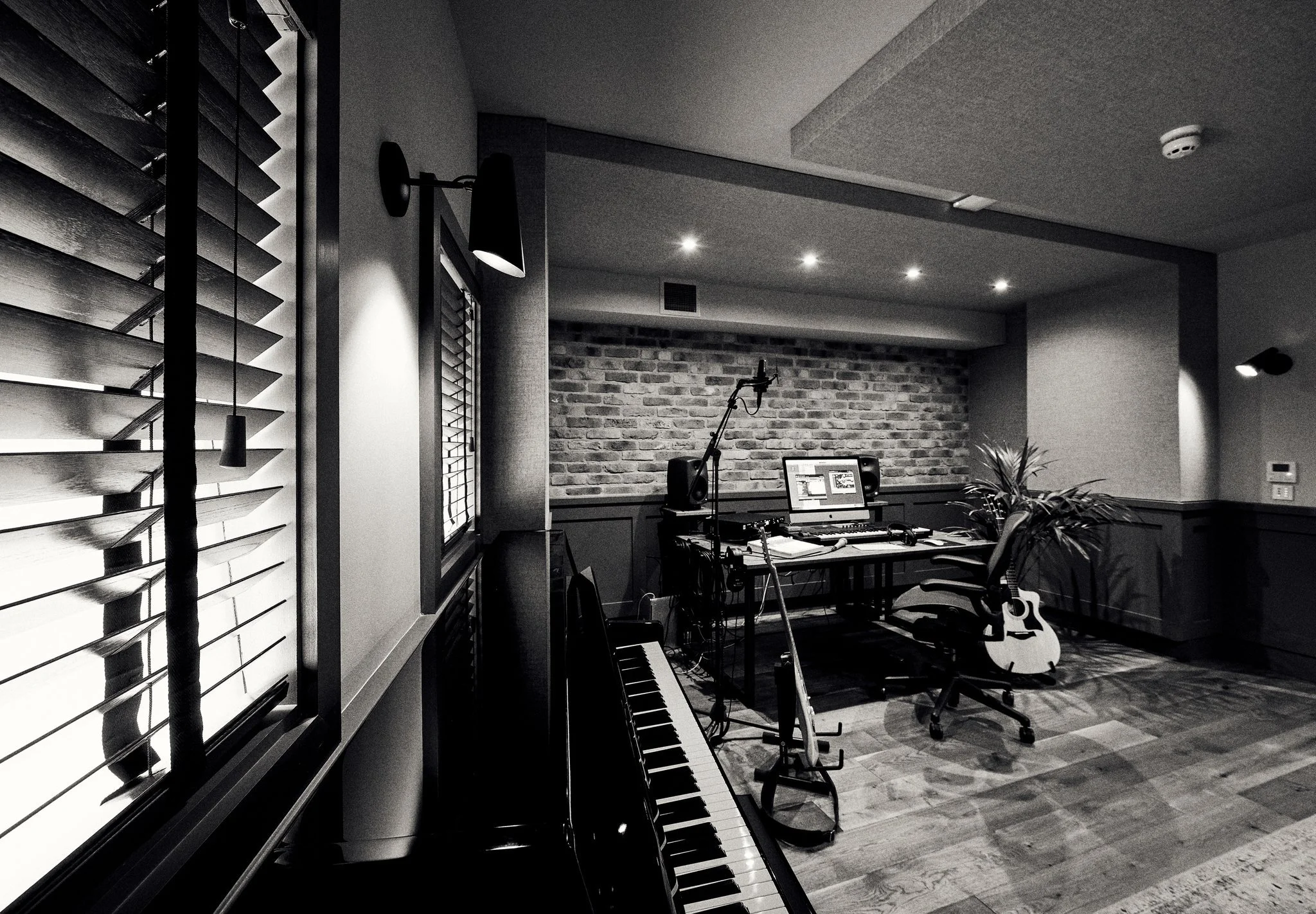
  • Armada Music appointed Recording Rooms to design and build two high performance studios within their new London Creative Hub. The brief called for technically accurate, inspiring rooms where artists could write, record and collaborate with confidence, while remaining aligned with the building’s interior concept. The studios form a core part of Armada’s London operation, supporting visiting artists and the label’s publishing and recordings roster.

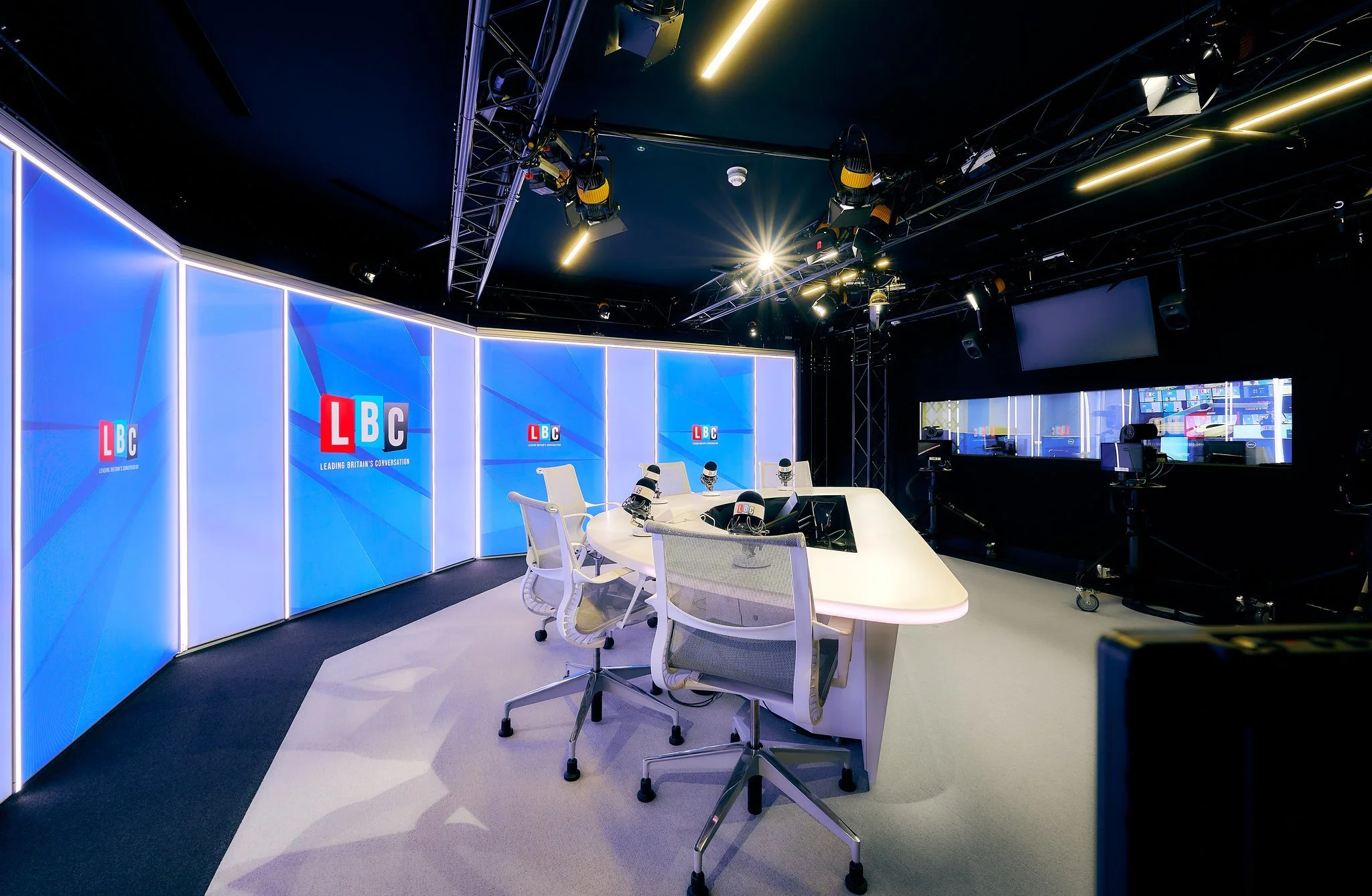
  • Armada Music is the world’s largest independent dance label. Founded by Armin van Buuren, Maykel Piron and David Lewis, the company has built a catalogue exceeding 50,000 releases, with a roster that includes Armin van Buuren, ARTY, Loud Luxury, Eelke Kleijn, Joris Voorn, Lilly Palmer, THEMBA and others. Armada operates globally from hubs in Amsterdam, New York, London and Laren, with in house facilities that include a club space, radio studio and multiple production rooms.

  • The basement was to be converted into two acoustically and technically controlled studios capable of supporting:

    • writing camps, songwriting sessions and collaborative production work

    • sessions with multiple writers

    • hybrid workflows

    • consistent monitoring accuracy

    • isolation suitable for a busy mixed use building

    The studios also needed to integrate visually with the Creative Hub design concept and align with the interior architecture.

  • We worked closely with CEO Maykel Piron, interior architect Pieter Laureys, UK GM Ben Malone and Head of Creative and Studios Lex Stowe throughout the project. The studios were developed through a coordinated process linking architectural intent, acoustic design, HVAC constraints and equipment layout. Layouts were shaped to support multi writer sessions without compromising monitoring accuracy. Early modelling was used to align acoustic performance and key technical requirements before construction began.

  • Before developing construction details, we carried out an acoustic survey covering airborne and structure borne behaviour, environmental noise and extended background measurements. This informed the isolation strategy, helped model junction performance and supported a targeted approach that avoided unnecessary over specification while clarifying likely noise egress to adjacent tenants and the neighbouring hotel.

    The result was a unified isolation strategy where walls, floors, ceilings, junctions and penetrations aligned to meet the required performance targets.

  • The studios sit in a basement within a live refurbishment project. Key constraints included:

    • neighbouring offices in use

    • a newly built hotel directly adjacent to the studios

    • strict headroom limits

    • restricted delivery and storage access

    • an event space above capable of club level playback

    These factors informed sequencing and required close coordination with the main contractor.

“Mark and the team at Recording Rooms have been exceptional. From planning through to execution and delivery, they provided an incredibly detailed and thorough service, helping us refine our ideas to achieve exactly what we envisioned.”

Maykel Piron, CEO, Armada Music

Technical highlights

  • Both studios achieve isolation suitable for high SPL electronic music production. Internal acoustic treatments were developed to deliver predictable low frequency response, controlled reflections and accurate listening across the primary listening positions.

  • Ventilation formed a key part of the acoustic strategy. The system was designed to deliver extremely low NR levels while remaining fully draftless, with air speeds designed to remain below 1 m/s through the full delivery path. Custom acoustic plenums were engineered to slow, balance and diffuse airflow within the studio build ups. Supply air is delivered via acoustic flexible ducting into the plenums and introduced via concealed outlets for even distribution with no detectable draft. Matching return paths complete the cycle back to the units.

    Each studio has independent control, with units mounted on acoustic isolation and ductwork treated to prevent noise transfer. Airflow and acoustic calculations confirmed the required airflow rates, low velocity operation and turbulence control across all modes.

  • A normalled patchbay system supports flexible hybrid working, allowing:

    • clean signal sharing between rooms

    • quick session reconfiguration

    • integration of guest equipment

    • clean routing for writing camps and collaborative work

  • The studios were built around a high quality signal chain, including:

    • RME Fireface UFX III

    • Dangerous D-Box Plus

    • Barefoot MicroMain 27s (Studio 1)

    • PMC 6-2 monitors (Studio 2)

    • 500-series outboard (Neve, DBX, SSL, Elysia)

    • Josephson C705 and Neumann U87 microphones

    • Prophet 6, Juno X, Nord Lead A1, OB-X8, Korg SV2 and others

    Lighting, containment and cabling were coordinated with the acoustic build ups and architectural design to support a clean, interference free installation.

  • The interior concept was developed with Pieter Laureys to reflect the Creative Hub’s wider aesthetic without compromising isolation or acoustic performance. Finishes, lighting and detailing were coordinated alongside the acoustic build ups so the rooms present cleanly on camera and in use.

The outcome

Both studios deliver accurate monitoring and low noise operation. NR10 is achieved at full ventilation, and measured isolation between rooms exceeds 80 dB. The layouts support multi writer sessions, with the breakout space providing a natural extension of the workflow. The project was delivered on programme despite the constraints of the site and wider refurbishment. The studios now play a central role in Armada’s London creative environment.

“The end result is two world-class studios that we are proud to invite artists into from across the globe; spaces that will be a cornerstone of our offering to our Publishing and Recordings roster either based here or visiting London.

Recording Rooms delivered this project as part of a wider renovation of our brand-new Creative Hub, navigating challenging operational conditions with care, professionalism and punctuality. We would highly recommend Mark and the team.”

Maykel Piron, CEO, Armada Music

Project team

Recording Rooms: Studio design and build, technical installation
GPAD: Architects
QOB: Main contractor
Jackson Coles: Project management
Tim Coombes: Acoustic design
Jensen Hunt Design: Structural engineer
Peter Deer Associates: M&E consultants